
Search for a virtual dental receptionist in the UK and you get two completely different products wearing the same label. One is a remote human answering your phone from somewhere else on a shift. The other is an always-on AI that answers every call and books straight into the diary.
They solve the same surface problem, the unanswered phone, in very different ways and at very different costs. A practice owner comparing quotes without knowing which one they are looking at ends up comparing apples to a calendar. This is the honest difference between the two, written from the operator side.
By the end you will know which of the two fits your private practice, and the cases where you genuinely want both.
Two different things share one name
"Virtual receptionist" is one of those phrases that sounds specific and means nothing until you ask what is behind it.
In most listings it means a remote human. A person, often working across several businesses at once, answers your calls in your practice name from a call centre or home office during set hours. You are buying someone else's staff time.
In a growing number of listings it means an AI dental receptionist. Software answers the call in under three seconds, every time, day or night, and books the appointment into your practice management system.
Both are "virtual" in the sense that neither sits at your front desk. That is where the similarity ends. The remote human has a shift, a lunch break, and a ceiling of one call at a time. The AI does not. Knowing which one a quote refers to is the first thing to pin down, because everything below it, cost, coverage, and whether a booking lands in the diary, flows from that single fact.
What a virtual (remote-human) receptionist actually is
A remote-human service gives you a real person on the line, which has genuine value. People handle nuance. They read tone. They can talk a nervous patient through a complaint or a clinical worry in a way no script does.
The trade-offs are the ones that come with any staffed service:
- Shift hours. Coverage is whatever you pay for. Round-the-clock cover from humans is expensive, so most practices buy daytime or early-evening cover and the late-night and weekend calls still leak.
- One call at a time per agent. When two patients ring at once, one waits or hits voicemail. Peak Monday mornings are exactly when this bites.
- Shared attention. The agent is often covering several businesses, so they rarely know your treatment list, your pricing, or your clinicians by name.
- Booking by callback note. Most remote-human services do not write into your diary. They take a message, and your front desk re-enters it. That is the same friction covered in dental answering service vs AI voice receptionist.
Where the remote human genuinely wins: complex, emotional, or high-trust conversations where a human voice with judgement matters more than speed or diary access.
What an AI dental receptionist actually is
An AI dental receptionist is software that answers the phone. Not a chatbot bolted to a phone line. A voice that greets the caller, understands why they are ringing, and acts on it.
What it does on a normal call:
- Answers in under three seconds, on the first ring, at 2 pm or 2 am.
- Handles unlimited simultaneous calls. Ten patients can ring at once and all ten are answered.
- Qualifies the enquiry, including the private-versus-NHS question that decides how a new patient is routed.
- Books straight into Dentally, SOE Exact, R4, or Kodak, then confirms by text and email.
- Logs every call, including the ones that would have been missed.
What it does not do: hold a long, delicate complaint conversation, or negotiate a treatment plan. For those it transfers to a person or flags the practice manager. Pretending otherwise is how vendors lose trust. The honest version of where the line sits is laid out in AI voice receptionist vs hiring a dental receptionist.
The defining feature is not that it is clever. It is that it never has a shift end and never has a one-call ceiling. No shift end. No one-call-at-a-time ceiling. No callback queue.
The dividing line: coverage and the diary
Strip away the marketing and two questions decide everything. When does it answer, and where does the booking end up.
| Virtual (remote human) | AI dental receptionist | |
|---|---|---|
| Hours covered | Paid shift hours | 24/7, including weekends and bank holidays |
| Simultaneous calls | One per agent | Unlimited |
| Speed to answer | Queue at peak | Under 3 seconds, every time |
| Knows your clinicians and pricing | Rarely | Yes, configured to the practice |
| Where the booking lands | Usually a callback note | Straight into the diary |
| Monthly cost | Per-minute or per-seat, scales with volume | Flat rate |
The two rows that matter most are the first and the last. A remote human stops when the shift stops, and a private patient with money to spend on an implant rings in the evening, when they are home from work. If that call hits a closed line or a queue, it leaks. And if the booking lands in a note rather than the diary, you have re-introduced the very gap you paid to close.
The cost on real numbers
Take a private practice that misses 18 calls a week, with an average new-patient lifetime value of £2,300.
A remote-human service priced per minute typically runs £255 to £1,200 a month depending on volume and the hours you cover. The structure has a cruel edge: the busier the week, the higher the bill, so your costs spike in exactly the weeks you most need cover. And the late-evening and weekend calls, the ones most likely to be high-value private enquiries, usually sit outside the hours you bought.
An AI dental receptionist runs a flat £450 to £900 a month for a single site, covering days, nights, weekends, and bank holidays at the same price. The cost does not move when call volume doubles.
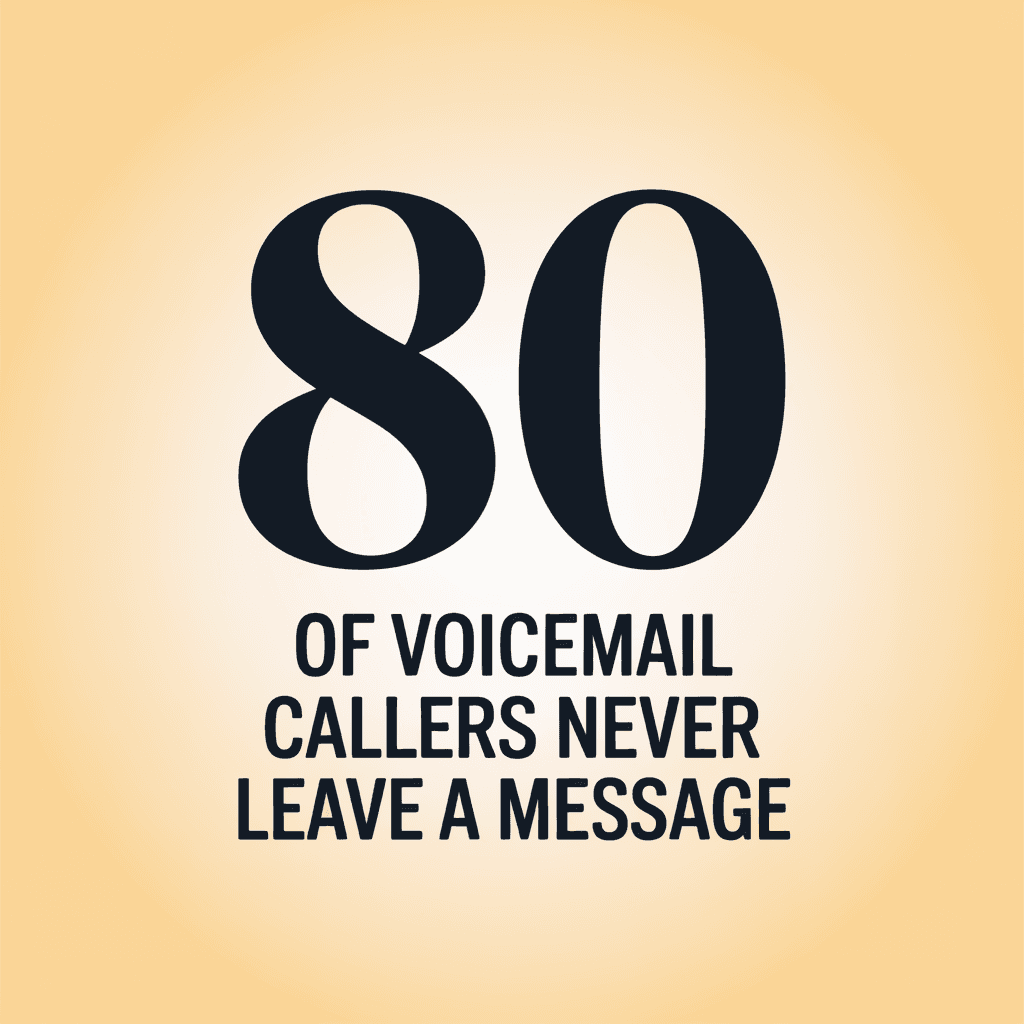
On the leak itself, an industry figure puts unanswered calls at around 35% in busy single-desk practices, and Hiya found 80% of callers sent to voicemail never leave a message. The full revenue maths sits in what a missed call costs a private dental practice. The short version: recovering two or three new patients a year covers the entire annual cost of the AI, and the after-hours calls a daytime remote human never sees are where those patients hide.
Run the same comparison per recovered call and the gap widens. A remote human costs the most in the weeks call volume spikes, which is exactly when each recovered call is worth the most. The AI costs the same in a quiet February as in a chaotic September, so every extra patient recovered in a busy month drops straight to the practice rather than being eaten by a higher bill.
Which to choose, and when you need both
This is not a hit piece on remote humans. It is a question of fit.
If your practice loses fewer than eight calls a week and most of them are routine, you may not need either. Measure for a month, then decide.
If your practice loses eight to twenty calls a week and a chunk of them land outside core hours, the AI dental receptionist wins on coverage, on cost certainty, and on booking into the diary rather than a note. A daytime remote human leaves the evening and weekend money on the table.
If your practice loses more than twenty calls a week and you also field a steady stream of delicate, relationship-heavy conversations, the strongest setup is both. The AI catches the volume and the after-hours calls and books them. A human, whether your own front desk or a remote service, handles the conversations that need a person.
The label "virtual dental receptionist" was never the useful question. The useful question is whether the thing answering covers the hours your patients actually call, and whether the call ends in your diary or in a queue. For where this fits in the wider build-versus-buy decision, see AI receptionist vs dental practice manager.
Answer those two questions honestly about your own practice and the choice between a remote human and an always-on AI stops being a coin toss. It becomes obvious.